
Fall weather can feel unpredictable. One day is warm, the next is cold, and that back-and-forth can quietly affect your home’s plumbing system. When temperatures shift quickly, pipes, water heaters, and even outdoor plumbing fixtures can experience extra stress.
Many homeowners don’t notice these changes until a small issue becomes a bigger repair. Understanding what happens during autumn temperature swings can help you protect your home and avoid surprises later in the season.
If you notice slow drains, dripping pipes, or uneven water temperature, don’t wait for it to get worse. Schedule a plumbing inspection online to help prevent seasonal issues from escalating.
Why Temperature Swings Matter for Plumbing
When temperatures rise and fall quickly, materials inside your plumbing system expand and contract. This movement is normal, but repeated stress can lead to wear over time.
Here’s what homeowners should know:
- Pipes expand when warm and shrink when cold
- Older plumbing materials may be more sensitive to temperature changes
- Small weaknesses can turn into leaks during sudden cold snaps
Even if everything seems fine on the surface, hidden stress can build up inside walls or under floors.
Outdoor Plumbing Is the First to Feel the Change
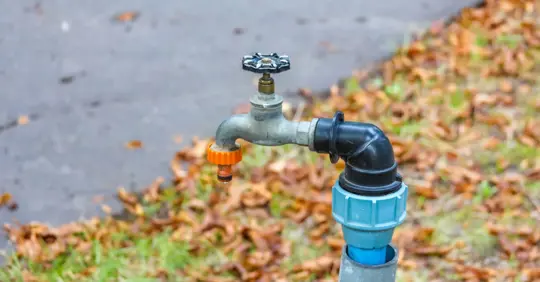
Outdoor fixtures are especially exposed during shifts in fall weather. Hose bibs, sprinkler lines, and exposed pipes are at higher risk when temperatures drop overnight.
Common seasonal concerns include:
- Water left in outdoor lines freezes and expands
- Cracks forming in uninsulated pipes
- Slow leaks are developing after repeated cold nights
A simple step, such as shutting off and draining outdoor water lines, can reduce many of these risks.
Water Heaters Work Harder in Fall
As incoming water gets colder in autumn, your water heater has to work harder to reach the desired temperature. This added demand can expose underlying issues.
Signs your water heater may be under strain:
- Hot water runs out faster than usual
- Temperature fluctuates during use
- Unusual noises from the tank
If these signs appear, a technician can check whether the system needs maintenance or adjustment.
You can learn more about service options through professional plumbing repairs, which often include water heater inspections and troubleshooting.
Hidden Leaks Become More Noticeable
Temperature changes can also make existing small leaks more obvious. As materials shift, weak points may begin to drip or seep.
Watch for:
- Damp spots on ceilings or walls
- Sudden increases in water bills
- Musty odors in bathrooms or basements
Even minor leaks can waste water over time, so early attention matters.
Simple Ways to Protect Your Plumbing in Fall
Homeowners can take a few easy steps to reduce seasonal stress on plumbing systems:
- Disconnect and store outdoor hoses
- Insulate exposed pipes in basements or garages
- Check water heater settings and performance
- Look for early signs of leaks or corrosion
- Schedule a seasonal plumbing check if needed
These small actions can help your system adjust more smoothly to changing temperatures.
When to Call for Help
Some plumbing issues can be handled with simple maintenance, but others need a closer look. If you notice repeated leaks, low water pressure, or inconsistent hot water, it may be time for a professional evaluation.
TMI provides residential plumbing support designed to help homeowners manage seasonal changes and prevent avoidable disruptions.
Contact Our Team Today
Autumn temperature swings can put a lot of stress on your home’s plumbing system, but early attention can make a big difference in preventing larger issues.
If you’re noticing changes in your plumbing or want peace of mind heading into colder weather, contact TMI through the online contact page or call (563) 316-6695 to schedule service.
A seasonal check now can help your home stay more comfortable and reliable as temperatures continue to drop.