
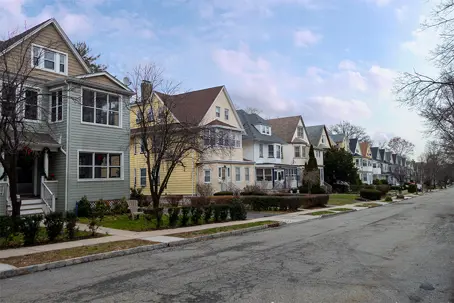
Older homes have a lot of character, but winter has a way of revealing where systems may need extra attention. Across the Quad Cities, many houses were built years or even decades ago, and their heating, plumbing, and appliances have aged along the way. By the time January arrives, these systems are often working harder than they were ever designed to.
Even when everything is still running, colder weather can expose reduced performance, uneven comfort, and rising energy costs. Understanding what to watch for can help homeowners address issues early and avoid bigger problems later in the winter.
Why January is hardest on older systems
January brings steady cold and longer run times. Heating systems cycle more often, plumbing lines face colder conditions, and appliances see heavier use as families spend more time indoors. For newer equipment, this demand is usually manageable. For older systems, it can be a real test.
Components that have slowly worn down over time may still function, but not efficiently. Seals, motors, and controls can struggle to keep up, which puts extra strain on the entire system during the coldest month of the year.
Signs your home is working harder than it should
One of the first signs homeowners notice is inconsistent comfort. Some rooms may feel colder than others, or the system may seem to run constantly without fully warming the house. Energy bills often climb at the same time, even when thermostat settings haven’t changed.
These symptoms don’t always mean something has failed. More often, they indicate that aging systems are being pushed beyond their comfort zone, especially during extended cold spells.
Heating systems often show it first
In older homes, heating equipment tends to show stress early in January. Units that performed adequately in the fall may struggle to maintain temperature once cold weather settles in. Reduced efficiency, longer run cycles, and unusual noises can all point to wear that’s becoming more noticeable under daily demand.
Professional attention to residential heating and air services can help identify whether a system needs maintenance, repair, or a longer-term plan before winter issues escalate.
Plumbing and appliances feel winter pressure too
Heating isn’t the only concern in January. Older plumbing systems are more vulnerable to cold temperatures, especially in homes with aging pipes or limited insulation. Reduced water pressure, slow drains, or minor leaks can become more noticeable as winter continues. Addressing issues early with residential plumbing services helps protect the home from more serious damage.
Appliances also tend to work harder in winter. Water heaters run more often, and other household appliances are used more often. In older homes, this extra demand can highlight wear that may have gone unnoticed during warmer months. Reliable appliance repair can keep daily routines running smoothly during the busiest time of year.
Rising energy costs are an important clue
Many homeowners expect higher utility bills in January, but sharp increases can signal inefficiency. Older systems often require more energy to deliver the same level of comfort, especially when components are worn or outdated. Over time, this added strain can shorten system life and increase the likelihood of breakdowns.
Paying attention to energy use during January provides valuable insight into how well a home’s systems are really performing.
A smart New Year step for older homes
January is an ideal time to check in on aging systems because they’re actively showing how they perform under real winter conditions. Addressing small issues now can improve comfort, reduce energy waste, and help prevent unexpected repairs later in the season.
If your older home is showing signs of winter stress, now is the right time to take action. Get in touch with Total Maintenance Inc. by scheduling service or calling (563) 316-6695 to keep your home comfortable, efficient, and reliable through the rest of winter.